
Singapore’s ageing society is no longer a future scenario. It is already a present-day market shift, with 21.4% of the citizen population aged 65 and above in 2026, up from 13.7% in 2016. By 2035, official projections suggest that more than one in four citizens will be 65 and above. That makes gerontech more than a social response to ageing; it is becoming a practical growth area for care, home living, and connected support. [1]
A useful way to think about this opportunity is through spending and market size. Singapore’s silver economy has been estimated at S$97.8 billion, based on a reported US$72.4 billion figure cited in local coverage and research commentary. Across Asia-Pacific, the silver economy has also been projected at around US$4.6 trillion, or about S$6.2 trillion, showing that Singapore sits inside a much wider regional demand curve rather than an isolated one. For gerontech developers, that matters because the opportunity is not only local demand, but also the chance to build solutions that can travel into neighbouring ageing markets. [2][3]
A market driven by ageing
The strongest case for gerontech in Singapore starts with demographics. Singapore has become a super-aged society, which means ageing is now a structural condition of the market rather than a niche concern. The number of citizens aged 80 and above has also grown sharply over the past decade, rising from 95,000 in 2016 to 152,000 in 2026. That trend points to a growing need for tools that support independent living, safety, monitoring, and care coordination. [4][5]
This matters because ageing changes demand in very practical ways. Older adults, caregivers, and care providers all need systems that reduce friction in daily life and respond faster when support is needed. That creates room for solutions such as remote monitoring, fall detection, medication support, and home-based care coordination, all of which sit squarely inside gerontech.
Why Singapore stands out
Singapore has a particularly strong position in this space because it combines demographic pressure with strong execution capacity. Its healthcare system, digital readiness, and compact urban environment make it easier to pilot, test, and refine gerontech solutions in real settings. The country is also actively building a policy and research environment around healthy ageing and longevity, including the launch of the Longevity Societies and Economies Institute and ongoing ageing-in-the-community initiatives.
That creates a useful advantage for technology developers. A solution that works in Singapore can often be adapted more quickly because the market is concentrated, highly connected, and well organised. Enterprise Singapore has also described Singapore’s silver economy as a potential testbed for novel ideas before they are scaled into markets such as Indonesia and China. In other words, Singapore is not just a local market; it can function as a reference market for the region.
What gerontech looks like in practice
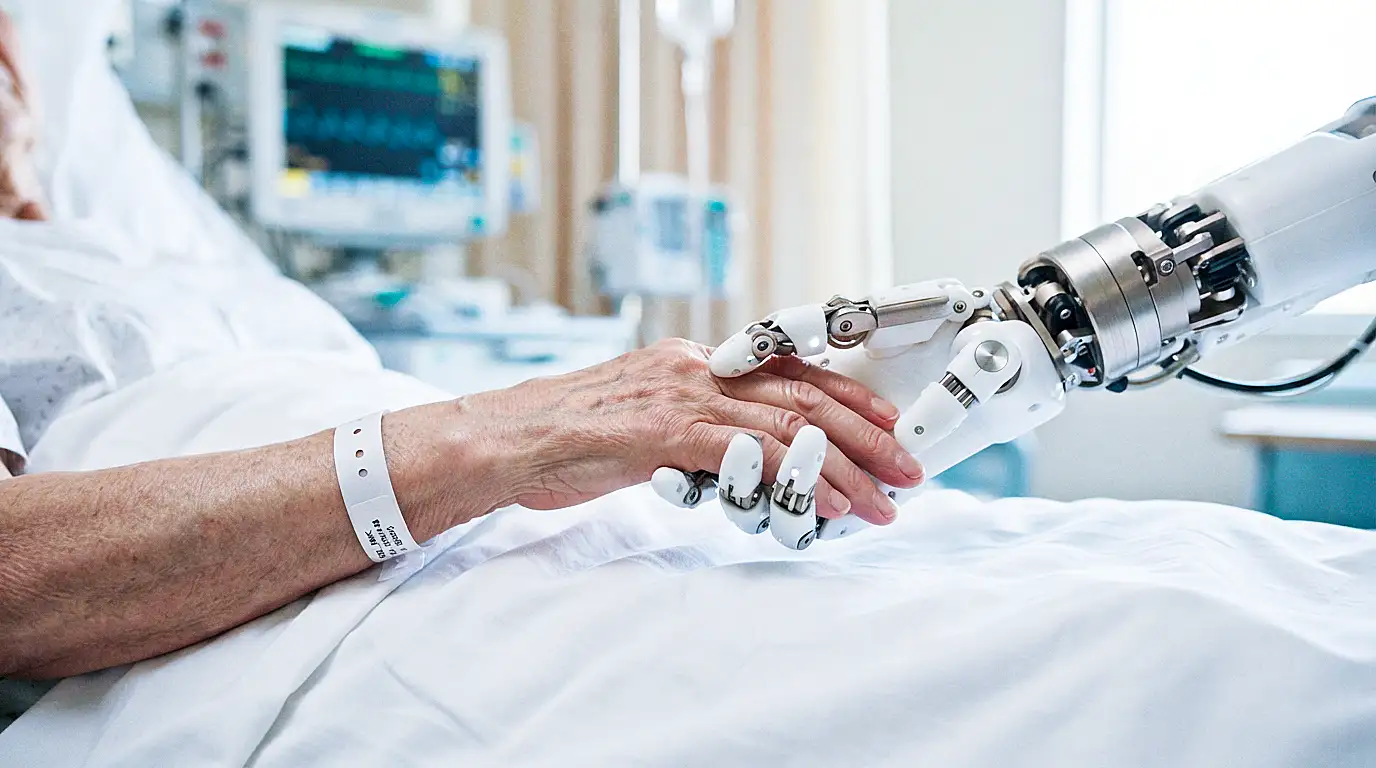
Gerontech is often discussed in broad terms, but the strongest opportunities are usually straightforward. Remote monitoring helps families track wellbeing without constant manual checking. Fall detection improves response time in emergencies. Medication reminders support independence. Smart home tools reduce friction in daily routines.
There is also an important layer of usefulness for caregivers and service providers. Better alerts, clearer coordination, and simpler data sharing can reduce pressure on families and support teams. That is one reason gerontech has appeal beyond pure healthcare: it sits at the intersection of care delivery, home living, and service efficiency.
Regional relevance
Singapore’s opportunity becomes even more meaningful when viewed alongside the region. Southeast Asia is ageing too, and many nearby markets are moving in the same direction even if their timelines differ. That means Singapore-developed gerontech can potentially address needs that exist across multiple urban markets, not just within the city-state.
This regional angle strengthens the case for building in Singapore. A product designed for Singapore’s ageing society, care expectations, and infrastructure standards may have wider relevance in places facing similar pressures around elder care, family support, and age-friendly services. That gives the sector a broader commercial horizon without needing to make the article sound promotional.
Why this matters now
The timing is significant because ageing is no longer a slow-moving future issue. It is already changing household needs, service demand, and the expectations people have for care in later life. At the same time, the financial side of the opportunity is becoming clearer, with Singapore’s silver economy commonly described in the tens of billions of dollars and the Asia-Pacific market in the trillions.population.
That combination of demographic certainty and market scale is what makes gerontech compelling. It is not a speculative trend built on novelty. It is a response to a real, measurable shift in how people live longer, need support, and expect technology to help them do so more comfortably.
Looking ahead
Singapore is increasingly shaping how ageing will be supported through technology, design, and care innovation. Gerontech sits at the centre of that shift because it turns demographic change into practical solutions that matter in everyday life. For businesses building in this space, the opportunity is not only to serve older adults, but to help define a more sustainable model for ageing societies in Singapore and beyond.
For businesses building in this space, the opportunity is not only to serve older adults, but to help define a more sustainable model for ageing societies in Singapore and beyond, with Global Research contributing to that broader shift.
References
- Longevity and Population in Brief 2026 — National Population and Talent Division
- Silver economy: Is the business of ageing a sunrise industry? — Enterprise Singapore
- Silver business: Inspired by their loved ones, they started companies helping the elderly — The Straits Times
- Residents Aged 65 Years And Over In Resident Households By Living Arrangement And Age Group — Singapore Department of Statistics
- Singapore now a super-aged society, with 21.4% of citizen population aged 65 and older — The Straits Times