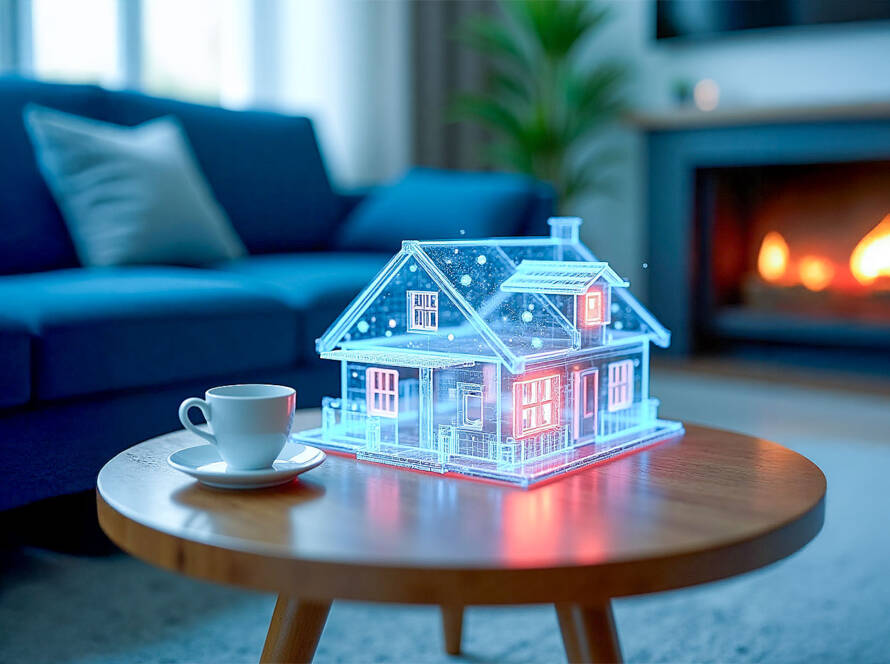
Technology that fades into the background, anticipating needs without asking questions. This is ambient intelligence — a forward-thinking approach reshaping healthcare and elderly care. The concept turns standard environments into intelligent spaces using contactless sensors, IoT devices, and AI that continuously adapt to human needs.
What Ambient Intelligence Actually Means
Ambient intelligence represents a forward-thinking idea where data collection happens invisibly. Instead of explicit devices, tools for gathering and processing information are integrated into common items. Sensors, processors, and actuators are programmed to gather contextual information while AI-driven systems analyse this data to predict future requirements. The technology makes pervasive computing more user-focused, particularly significant in healthcare where it transforms hospital environments into intelligent spaces.
Practical Wearables and Sensors for Seniors Today
- Smart Watches and Health Trackers: Modern devices like Apple Watch and Fitbit continuously monitor heart rate, track falls, and detect irregular heart rhythms. Seniors can set medication reminders and make emergency calls through voice commands.
- Blood Pressure Monitors: Wireless devices automatically record readings and send data to healthcare providers. These prevents manual logging errors and helps doctors track cardiovascular health trends over time.
- Pulse Oximeters: Clip-on sensors measure blood oxygen levels instantly. Useful for seniors with respiratory conditions, providing immediate alerts when levels drop dangerously low.
- GPS Location Trackers: Small devices worn on clothing or carried in pockets help locate seniors who wander, particularly those with dementia. Family members receive real-time location updates through smartphone apps.
- Motion Sensors: Placed in homes, these detect movement patterns and unusual inactivity. Automated alerts notify caregivers when seniors haven’t moved for extended periods or when they leave safe zones.
- Smart Pill Dispensers: Automated devices release medications at scheduled times and send confirmation alerts to family members. Some include voice reminders and track adherence rates.
- Wearable Fall Detectors: Clip-on devices detect sudden movements and automatically call emergency services. Modern versions distinguish between normal activities and actual falls, reducing false alarms.
Why It Matters for Elderly Care
The increasing global ageing population creates challenges for long-term care, including manpower shortages and high staff turnover rates in residential institutions. Residential care facilities are eager to adopt technology that can support staff and improve patient outcomes. Ambient intelligence addresses these challenges by automating routine monitoring and reducing the burden on human caregivers.
How It Works in Healthcare Settings
Ambient intelligence in healthcare employs IoT devices including temperature and humidity sensors, blood pressure monitors, and various software applications. These devices autonomously gather data and keep doctors informed about vital statistics. The technology enables healthcare providers to access information remotely via the internet, bridging gaps in staffing.
Contactless sensors and machine learning algorithms detect human presence and gather health-related information for diagnostic purposes. In intensive care units where continuous monitoring is essential, ambient intelligence tools can monitor patients whose health may decline, enabling immediate intervention when necessary.
Practical Applications for Seniors

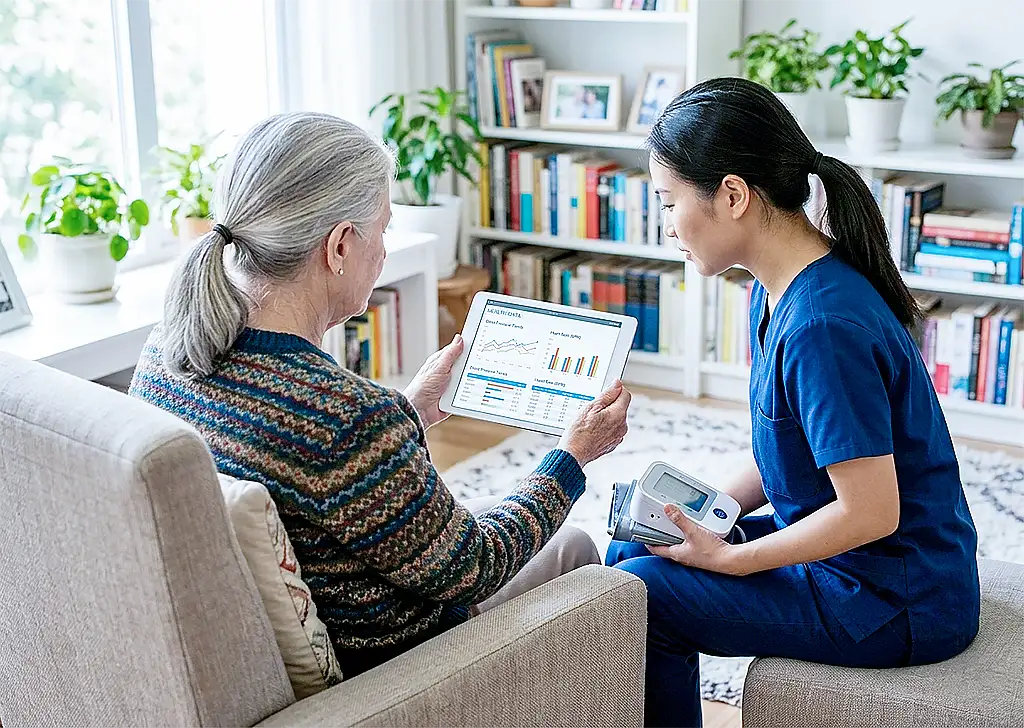
- Temperature and Humidity Monitoring: IoT sensors continuously track environmental conditions that affect elderly health. Chronic conditions like heart disease and respiratory problems worsen in poor air quality or extreme temperatures. Automated alerts notify caregivers when thresholds are breached.
- Fall Detection and Movement Analysis: Radar-based smart sensors and low-resolution visual sensors monitor elderly behaviour patterns without cameras. The system detects unusual inactivity, predicts falls, and alerts caregivers automatically while maintaining privacy.
- Blood Glucose Continuous Monitoring: Wireless sensors facilitate autonomous collection of blood sugar data. Patients wear biocompatible devices while implanted sensors measure glucose levels. Data is transmitted to doctors and patients through mobile messages, enabling treatment recommendations for diabetes management.
- Automated Health Assessments: Ambient intelligence sensors in waiting areas continuously monitor vital signs including body temperature, heart rate, and pulse. Automated diagnosis reports outline potential health issues, providing dietary and lifestyle suggestions based on collected statistics.
Privacy-First Design for Dementia Care in Gerontech
The key advantage of ambient intelligence is that it works with natural limitations of dementia rather than against them. Devices remain always on and ready, requiring no memory to activate them. Behaviour analysis for gerontech and elderly care uses networks of sensors that don’t rely on visual data, maintaining privacy while providing comprehensive monitoring.
For dementia patients, ambient systems provide subtle cues and continuous support without requiring interaction. The technology anticipates needs like medication times, meal preparation, and environmental adjustments automatically.
Challenges and Ethical Considerations
Implementing ambient intelligence requires addressing technological and ethical challenges. Diagnostic devices may mistakenly generate reports attributed to wrong individuals. Visual data capture may fail in areas outside line of sight. Data reliability must be verified to avoid incorrect diagnoses or treatments.
Ethical concerns present greater challenges. Patients may feel uncomfortable with intelligent spaces gathering information without explicit consent. AI bias in healthcare emerges as a significant issue. The potential for privacy violations must be balanced against the benefits of continuous monitoring.
Conclusion
Ambient intelligence offers a practical path to enhanced independence for seniors by making technology invisible and automatic. Technology works with natural limitations rather than demanding adaptation. Global Research explores how AI, IoT, and Robotics solutions contribute to advancing gerontech through ambient intelligence applications.